Do Heat Pumps Work at 8,000 Feet?
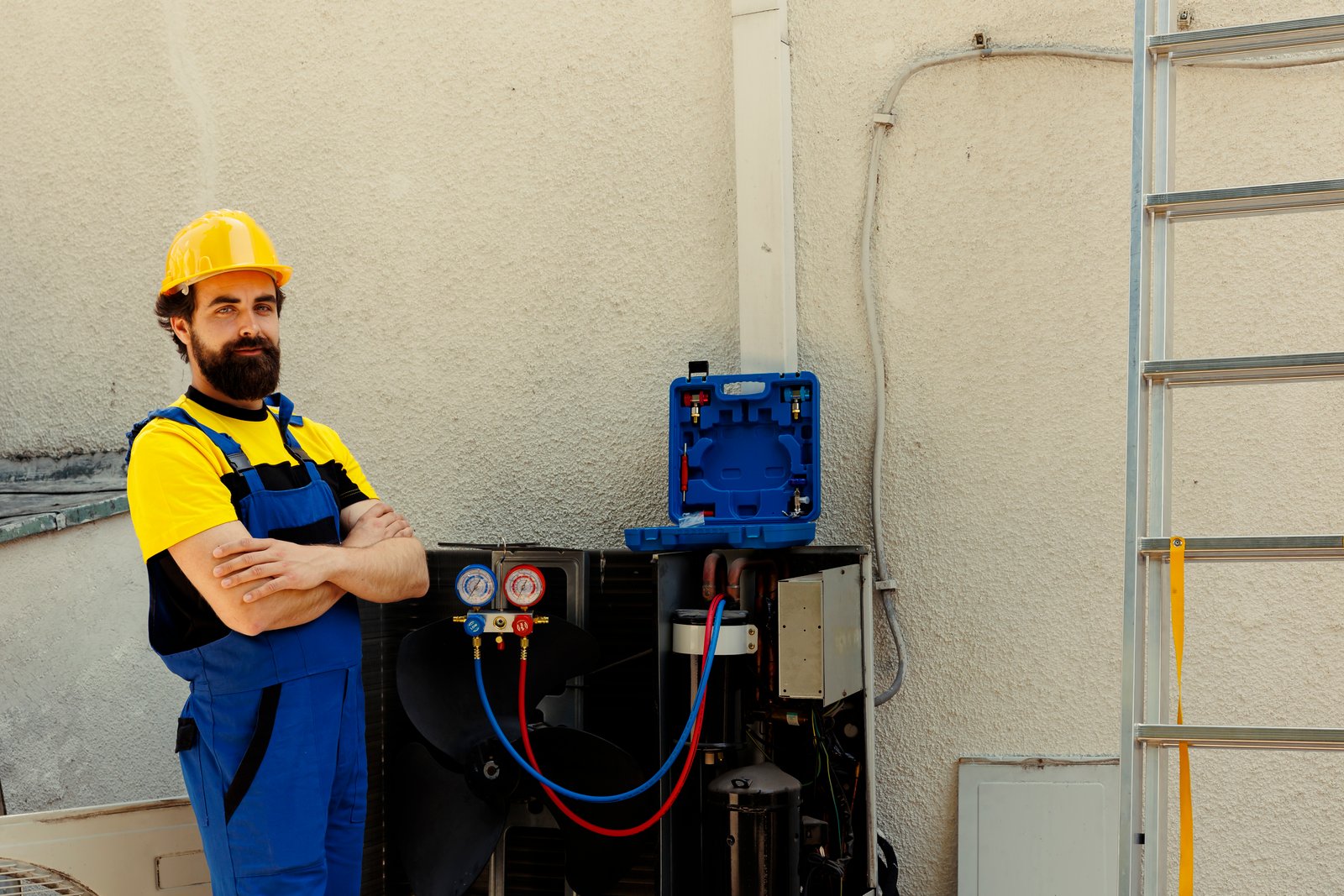
For decades, mountain town myth suggested that air-source heat pumps were completely unsuited for high-elevation environments like Vail, Breckenridge, Aspen, or Summit County. Homeowners frequently ask us: Do heat pumps work at 8,000 feet? The short answer is yes—absolutely, provided you choose modern Cold-Climate Heat Pump (CCHP) technology and account for high-altitude air density derating.
How Altitude Affects Air-Source Heat Pumps
At 8,000 feet above sea level, atmospheric pressure drops to roughly 75% of sea-level pressure. Thinner mountain air carries fewer air molecules per cubic foot across the heat pump's outdoor evaporator coil, reducing thermal transfer efficiency:
- Air Density Derating: Because the air is less dense, outdoor fans must move more volume (CFM) to extract the same amount of ambient heat energy. Heat output capacity drops approximately 2% to 4% for every 1,000 feet of elevation above sea level.
- Extreme Low Temperatures: Mountain winters regularly drop below 0°F. Older, conventional heat pumps lost performance around 30°F, but modern inverter-driven units maintain efficiency down to -15°F or lower.
Planning a High-Altitude Heat Pump Installation?
Sizing an air-source heat pump at 8,000 feet requires precise Manual J heat loss calculations that factor in elevated derating factors, indoor CFM adjustments, and dual-fuel backup integration.
Key Engineering Features for High-Elevation Success
To ensure dependable heating through alpine winters, heat pump systems installed at 8,000 feet rely on key technological advancements:
1. Variable-Speed Inverter Compressors: Instead of simple ON/OFF cycles, inverter compressors ramp up speeds dynamically to overcome thinner air conditions, maintaining peak heating output even during severe cold snaps.
2. Cold-Climate Heat Pump (CCHP) Rating: Systems engineered specifically for cold climates utilize enhanced vapor injection (EVI) technology. This maintains 100% heating capacity down to 5°F and reliable performance down to -15°F.
3. Dual-Fuel (Hybrid) Systems: At 8,000 feet, pairing an electric heat pump with a high-efficiency natural gas or propane furnace provides the ultimate safety net. The heat pump handles mild and moderately cold temperatures efficiently, while the gas furnace automatically takes over during extreme sub-zero cold spells.
Defrost Cycles and Snow Clearance at Altitude
Mountain environments present unique moisture and snow accumulation challenges. When outdoor temperatures hover near freezing, frost forms on outdoor coils. Cold-climate units feature intelligent defrost algorithms to melt ice buildup cleanly.
Additionally, mounting height is crucial at high elevation. Outdoor condenser units must be elevated on stand brackets at least 18 to 24 inches above average snowpack levels, away from roof drip lines, to prevent ice accumulation and airflow blockage.
The Verdict: Reliable, Efficient Mountain Comfort
When properly sized and installed by high-altitude heating professionals, modern heat pumps provide exceptionally comfortable, energy-efficient heating and air conditioning at 8,000 feet. By drastically reducing carbon emissions and fossil fuel consumption, heat pumps represent the future of mountain home comfort.